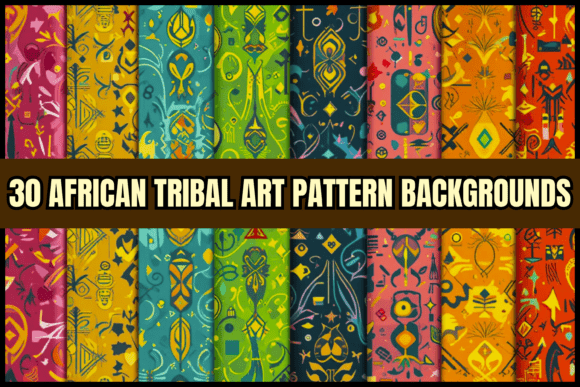
30 African Tribal Patterns Backgrounds: Weaving Culture into Modern Design
African pattern backgrounds are vibrant, bold, and rich in cultural heritage. These patterns are inspired by traditional African textiles, beadwork, and tribal art, each carrying deep symbolic meanings and historical significance. They often feature geometric shapes, repeating motifs, and a harmonious blend of bright and earthy colors such as red, yellow, green, blue, and brown. Many African patterns are rooted in specific cultures and traditions. For example, Kente cloth from Ghana is characterized by intricate woven patterns in striking color combinations, while Bogolanfini Mud Cloth from Mali features bold, hand-drawn geometric symbols on earthy-toned fabrics. Other popular African prints include Ankara wax prints, which display vibrant floral, abstract, and nature-inspired designs commonly used in fashion and décor.
African pattern backgrounds are widely used in graphic design, textiles, home décor, and fashion. Their energetic and rhythmic designs make them excellent choices for wallpapers, fabric prints, website backgrounds, and artistic projects. High-quality digital versions, available in formats like PNG, JPG, and SVG, allow for versatile applications across both print and digital media. These patterns are more than just visually striking—they tell stories of African heritage, social status, and spirituality. Whether used in modern bohemian aesthetics, Afrocentric branding, or interior design, integrating these visuals adds depth and narrative to any project.
The Power of Symbolism in Visual Storytelling
When you select one of the 30 African Tribal Patterns Backgrounds, you aren’t just picking a pretty image; you are importing a language. In many West and Central African societies, patterns function as proverbs or markers of identity. The Adinkra symbols of the Akan people, for instance, convey complex philosophical concepts like strength, resilience, and divine grace through simple geometric lines. Similarly, the zigzags in Kente cloth can represent the path of life, with its ups and downs.
For designers and content creators, this offers a unique opportunity to embed meaning without words. A brand focusing on sustainability might choose patterns that mimic natural elements found in traditional mud cloth, subtly communicating an alignment with nature. An educational platform might use geometric patterns reminiscent of mathematical precision found in traditional weaving, reinforcing themes of logic and structure. Understanding these roots allows users to apply these backgrounds with respect and intentionality, moving beyond mere aesthetic appreciation to genuine cultural acknowledgment.
Transforming Digital Spaces with Bold Aesthetics
In the crowded landscape of digital marketing, standing out requires more than clean white space. While minimalism has dominated web design for years, there is a growing appetite for warmth, texture, and personality. This is where high-resolution African pattern backgrounds shine. Imagine a travel agency promoting tours to Senegal or South Africa. Instead of a generic stock photo of a landscape, using a subtle, low-opacity Kente or Shweshwe pattern as a background layer adds immediate geographic context and visual interest.
For e-commerce businesses, particularly those selling handmade goods, artisanal foods, or ethical fashion, these patterns serve as a powerful trust signal. They suggest authenticity and craftsmanship. A boutique selling handmade jewelry could use a muted Bogolanfini texture behind product photos to create a cohesive brand experience that feels grounded and organic. The contrast between the sharp, modern typography of a product description and the rustic, hand-drawn quality of the background creates a dynamic tension that keeps the user engaged.
Interior Design: Bringing Earthy Tones Indoors
The application of these patterns extends far beyond screens. In interior design, the trend toward biophilic and ethnic-inspired decor has made African textiles a staple. When selecting wallpaper or fabric, homeowners and interior stylists often look for the balance between boldness and versatility. The earthy tones of indigo, terracotta, and ochre found in many tribal patterns complement modern materials like brass, wood, and concrete.
Consider a living room designed in a mid-century modern style. Adding throw pillows or a rug featuring a simplified geometric interpretation of a Maasai shuka pattern can inject energy without overwhelming the space. The key here is scale and proportion. Large-scale prints work well as focal points, such as on an accent wall, while smaller, repeating motifs are ideal for upholstery or curtains. By mixing these textures with neutral bases, designers can create spaces that feel curated and global, yet comfortable and inviting.
Fashion and Textile Innovation
The fashion industry has long been drawn to the vibrancy of African prints, but the integration goes deeper than seasonal trends. Contemporary designers are increasingly collaborating with artisans from Nigeria, Ghana, and Kenya to create pieces that honor traditional techniques while appealing to global markets. Ankara wax prints, known for their waterproof durability and vivid colors, have become synonymous with bold self-expression.
For consumers, wearing clothing with these patterns is a way to celebrate diversity and support ethical supply chains. It’s not just about looking good; it’s about making a statement. Streetwear brands, in particular, have embraced these aesthetics, blending hoodies and sneakers with traditional textile prints to create a fusion style that resonates with younger, socially conscious audiences. The versatility of these patterns allows them to be adapted for everything from haute couture gowns to casual everyday wear, proving their enduring appeal.
Practical Considerations for Selection and Use
While the visual impact of 30 African Tribal Patterns Backgrounds is undeniable, there are practical steps to ensure they are used effectively and respectfully. First, consider the context. Some patterns hold sacred or ceremonial significance within specific communities. It is crucial to research the origin of the pattern you wish to use. If you are unsure, opting for generalized geometric designs that do not carry specific religious or clan-based meanings is a safer route for commercial products.
Technical quality is another major factor. Low-resolution images can ruin the integrity of a design, making intricate details look muddy or pixelated. Always source patterns in vector formats (SVG) when possible, as they scale infinitely without loss of quality. For raster images like PNG or JPG, ensure the resolution is high enough for your intended output, whether it’s a large-format banner or a mobile app icon. Transparency channels in PNG files are particularly useful for overlaying patterns on top of other images or text without creating harsh rectangular borders.
Color harmony is also essential. African patterns are often characterized by high contrast and saturated colors. When incorporating them into a design, it’s wise to let the pattern be the star and keep surrounding elements simple. If your background is busy, use solid, neutral colors for text boxes or UI elements to maintain readability. Conversely, if the rest of your design is minimalist, a single, bold pattern element can serve as a perfect anchor.
Bridging Heritage and Modernity
Ultimately, the value of these backgrounds lies in their ability to bridge the gap between tradition and innovation. They remind us that design is not just about form, but about function and story. By choosing to incorporate African tribal patterns, we participate in a global conversation about culture, identity, and beauty. Whether you are a graphic designer crafting a brand identity, a homeowner seeking to add warmth to your living space, or a developer building a culturally rich website, these patterns offer a wealth of inspiration.
As we move forward, the demand for authentic, diverse, and meaningful design elements will continue to grow. Embracing the richness of African artistry allows us to create work that is not only visually compelling but also emotionally resonant. It invites us to slow down, appreciate the intricacy of human creativity, and recognize the shared threads that connect us all through color, shape, and symbol.