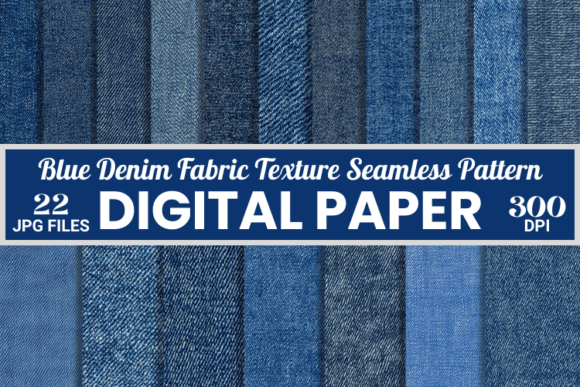
Blue Jean Denim Fabric Texture Patterns
The allure of Blue Jean Denim Fabric Texture Patterns lies in their ability to capture the rugged, tactile soul of classic cotton while offering the clean precision required for modern digital design. In a visual landscape often dominated by sterile minimalism or chaotic maximalism, denim offers a grounded, relatable aesthetic that feels both timeless and current. This specific collection brings the authentic look of woven fabric into the digital realm, providing creators with high-resolution assets that bridge the gap between physical craftsmanship and virtual execution.
What makes these patterns particularly compelling is their versatility as a foundational element. They are not merely background images; they serve as a texture layer that adds depth, weight, and character to any project. Whether you are designing a birthday invitation that needs a rustic touch or creating a sublimation wrap for a custom tumbler, the inherent structure of the blue jean weave provides a visual anchor. The 2025 iteration of this bundle refines this concept, ensuring that the grain and color variations mimic real-world materials without the logistical hassle of sourcing actual fabric swatches.
From Digital File to Physical Product
The true power of this asset library emerges when you translate it from a screen to a tangible object. The specifications provided—3600 x 3600 pixels at 300 DPI—ensure that the detail remains crisp even when scaled up for large formats. This resolution is critical for applications like wrapping paper or wall art, where pixelation can instantly ruin the illusion of quality. For small business owners and hobbyists alike, this means you can produce professional-grade goods without needing expensive photography equipment or access to a textile mill.
Consider the workflow for a DIY entrepreneur. You might download the Blue Jean Denim Fabric Texture Patterns and immediately visualize them on an 11-ounce coffee mug or a 20-ounce travel tumbler. The seamless nature of the repeatable set allows for continuous wrapping designs that eliminate unsightly seams. When printed via sublimation or applied as a vinyl decal, the texture translates surprisingly well, giving a smooth plastic surface the appearance of worn, soft cotton. This transformation is what elevates a generic product into a branded experience.
Applications Across Creative Industries
The utility of these textures extends far beyond simple printing projects. Designers working on branding packages can utilize the denim pattern to evoke feelings of durability, Americana, or casual comfort. It pairs exceptionally well with typography that mimics stitching or industrial fonts. For instance, a wedding invitation suite aiming for a "rustic chic" theme could use a pastel variation of the denim texture as a border, grounding the delicate floral elements in something sturdy and reliable.
- Event Planning: Create cohesive stationery sets for birthdays or anniversaries. The pastel repeatable set mentioned in the bundle allows for a softer interpretation, perfect for spring events or baby showers where traditional dark denim might feel too heavy.
- Scrapbooking & Planners: Digital scrapbookers can layer these JPGs over photos to create collage backgrounds that look like physical journal pages. The high detail ensures that when users zoom in to edit, the fabric grain remains visible, adding authenticity to their digital storytelling.
- Fashion & Textile Mockups: While you cannot print on fabric directly with a home printer, these patterns are invaluable for creating mockups. Show clients how a logo would look on a denim jacket or a tote bag by overlaying your design onto these textures.
Tailoring the Aesthetic for Your Audience
Different audiences respond to different interpretations of denim. A marketer targeting a young, trendy demographic might lean into the raw, distressed look of the standard blue jean texture, using it to signal authenticity and street style. Conversely, educators or corporate trainers might prefer the cleaner, more uniform versions found in the pastel set, using them to create engaging slide decks or printable worksheets that feel approachable yet professional.
The key to success is consistency. When adapting these patterns for various platforms, ensure that the color balance remains true to the source file. Remember that actual colors may vary slightly due to monitor settings and print quality. To mitigate this, always test a sample print before committing to a large batch. If you are producing stickers or labels, consider how the white space interacts with the weave. The texture should enhance the message, not compete with it.
Technical Considerations for High-Quality Results
To get the most out of the 22 digital papers included in the zip file, organization is paramount. Since the files are in JPG format, they offer broad compatibility but lack transparency. This means that for complex layouts involving multiple layers, you will need to be strategic about masking and blending modes. However, the 300 DPI resolution guarantees that the final output will hold its own against competitors who use lower-quality stock images.
When preparing files for sublimation or heat transfer, pay close attention to the orientation of the pattern. Some designs may have a distinct "grain" direction. Aligning the texture correctly on a tumbler or a piece of clothing can make the difference between a flat graphic and a design that looks like it was printed directly onto the material. The 12x12 inch size is ideal for cutting mats used in crafting machines, allowing for easy trimming and placement.
Inspiration for Specific Projects
Let's explore a few concrete scenarios where these textures shine. Imagine launching a line of eco-friendly reusable bags. By applying the denim texture as the base layer and adding a bold, hand-drawn illustration of a flower, you create a product that feels artisanal and handmade. The contrast between the organic shape of the drawing and the rigid weave of the denim creates visual interest that draws the eye.
For those involved in educational content, these patterns can transform a standard PowerPoint presentation. Instead of a plain white slide, use a subtle, low-opacity version of the blue jean texture as a backdrop. This reduces eye strain and gives the presentation a warm, inviting atmosphere. Similarly, bloggers can use these images to create featured posts that stand out in a feed filled with solid colors and gradients.
The inclusion of a pastel repeatable set opens doors for seasonal campaigns. During the summer months, a light wash denim texture paired with bright yellow accents can evoke the feeling of a sunny afternoon picnic. In contrast, darker, richer tones work beautifully for autumn-themed merchandise, such as holiday ornaments or winter greeting cards. The flexibility of the 2025 bundle ensures that you are never limited by the palette.
Maintaining Originality and Quality
As a creator, your goal is to avoid the generic. While the Blue Jean Denim Fabric Texture Patterns provide a strong foundation, the magic happens in how you manipulate them. Do not simply drop the image into your software and call it done. Experiment with blending modes, adjust the saturation to match your brand identity, and combine multiple textures to create something entirely new. Perhaps overlay a second texture to simulate wear and tear, or add a noise filter to enhance the grain.
Remember that these are digital products intended for creative exploration. The fact that they come in a single zip file with 22 unique options means you have a vast playground for experimentation. Test different combinations, save your favorites, and build a personal library of assets that reflect your unique style. Whether you are a freelancer looking to expand your portfolio or a small business owner ready to launch a new product line, these textures offer a reliable, high-quality starting point.
Ultimately, the value of this collection lies in its ability to simplify the creative process. You do not need to be a photographer to capture the essence of denim, nor do you need to be a textile engineer to understand the weave. These digital papers bring that expertise to your fingertips, allowing you to focus on the bigger picture: telling your story, connecting with your audience, and bringing your ideas to life with clarity and purpose.