Handwritten Script Seamless Patterns: Elevating Your Digital Craft Projects
In the world of digital design, scrapbooking, and print-on-demand businesses, the difference between a mediocre project and a professional-grade creation often lies in the details. One of the most effective ways to add depth, texture, and personality is through the use of high-quality backgrounds. Among these, Handwritten Script Seamless Patterns have become a staple for creators who want to inject warmth and authenticity into their work. Whether you are designing a junk journal, preparing sublimation files for t-shirts, or creating party invitations, understanding how to properly utilize these assets can significantly improve your final output.
However, not all digital papers are created equal. Many beginners and even experienced designers make critical errors when selecting, downloading, and applying seamless patterns. These mistakes can lead to frustrating editing sessions, blurry prints, or designs that simply do not convey the intended message. This guide breaks down what you need to know about Handwritten Script Seamless Patterns, what exactly you receive when you purchase them, and how to avoid common pitfalls that compromise your creative results.
Understanding the Asset: What Are Handwritten Script Seamless Patterns?
At their core, Handwritten Script Seamless Patterns are repeating digital images designed to tile perfectly without visible seams. Unlike standard background images that might show a hard edge where they repeat, a true seamless pattern allows you to stretch it across any canvas size while maintaining continuity. The "handwritten script" element adds a specific aesthetic—mimicking the organic, slightly irregular flow of human handwriting rather than rigid, machine-generated fonts. This creates a sense of intimacy and personal touch that resonates well with audiences in lifestyle, education, and creative niches.
When you engage with a product like this, you are typically looking at a collection of textures that feature cursive letters, looping strokes, or scattered alphabets on a solid or lightly textured background. These are versatile tools. They can serve as subtle backdrops that don’t overpower foreground elements, or they can be bold focal points depending on the color palette chosen.
What You Receive: The Technical Specifications
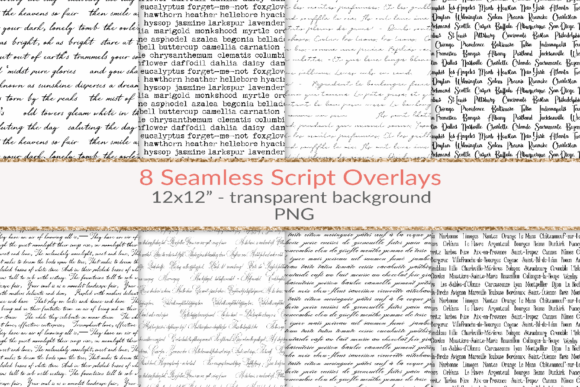
Before diving into usage, it is crucial to understand the deliverables. A standard, high-quality package of Handwritten Script Seamless Patterns usually includes:
- PNG File Format: Portable Network Graphics (PNG) is preferred over JPEG for digital crafting because it supports transparency and lossless compression. This ensures that your edges remain crisp and your colors do not degrade after multiple edits.
- Paper Specs: Look for packages that offer variety. A robust set typically contains 8 seamless papers, providing enough diversity to keep your projects fresh without overwhelming you with choices.
- Resolution and Size: The industry standard for print-ready materials is 12×12″ at 300dpi. This resolution is non-negotiable if you plan to print your designs physically. 300 dots per inch (dpi) ensures that the handwritten details remain sharp and legible, avoiding the pixelated blur that ruins professional presentations.
Common Mistakes When Using Seamless Patterns
Even with perfect files, user error can derail a project. Here are the most frequent misunderstandings regarding the application of these digital assets and how they impact your workflow.
Ignoring Resolution Requirements for Print vs. Digital
One of the biggest errors occurs when creators download low-resolution assets for print purposes. If you intend to use these patterns for sublimation, scrapbook pages, or physical party decor, using an image that is only 72dpi will result in a blurry, unprofessional finish. Conversely, using massive 300dpi files for web-only graphics can slow down loading times unnecessarily. Always match the resolution to the medium. For Handwritten Script Seamless Patterns intended for print, ensure the file explicitly states 300dpi. If you are using them for a blog post or social media thumbnail, a lower resolution may suffice, but never assume; always check the specs.
Misjudging Visual Weight and Contrast
Handwritten scripts are inherently busy. Because they contain numerous curves, loops, and varying stroke widths, they create significant visual noise. A common mistake is layering other complex elements—such as intricate borders, heavy clipart, or multi-colored text—on top of a dense script pattern. The result is a cluttered design where the eye has nowhere to rest.
To correct this, practice restraint. Let the pattern do the heavy lifting. Use simple, clean typography for your main messages. If the pattern is dark, pair it with white or light-colored foreground elements. If the pattern is light, use darker accents. This contrast ensures readability and maintains a balanced composition.
Failing to Check Tile Continuity
Not every file labeled "seamless" actually tiles correctly. Some designers create patterns that look good in a square preview but break apart when stretched or repeated in software like Photoshop or Canva. This leads to visible lines or gaps in your background, which destroys the illusion of a continuous surface.
Pro Tip: Before committing to a full project layout, duplicate the pattern layer and move it slightly off-canvas to see if the edges align. If you see a harsh line where the pattern repeats, the file is flawed. Stick to reputable sources that guarantee true seamless tiling.
Practical Advice for Better Results
To get the most out of your Handwritten Script Seamless Patterns, adopt a strategic approach to design and organization.
Optimize for Sublimation and Print
If you are selling physical products, such as mugs, tumblers, or printed journals, color accuracy is paramount. Digital screens use RGB color models, while printers use CMYK. Colors often appear duller or shift in hue when converted. To avoid disappointing customers or ruining your own prints:
- Work in RGB for design flexibility.
- Use a color profile converter before sending files to the printer.
- Always print a test strip on the actual material you intend to use (e.g., polyester fabric for sublimation) to verify how the ink absorbs into the pattern.
Leverage Transparency for Layering
Since you receive these assets in PNG format, take advantage of the alpha channel. While many script patterns come with a solid background, some may include transparent elements. Even if the pattern is fully opaque, you can place it on a separate layer in your design software and adjust the opacity (transparency) settings. Dropping the opacity to 50-70% can turn a loud, distracting pattern into a subtle, elegant texture that adds depth without competing with your content.
Organize Your Library
With 8 different papers in a typical pack, plus various projects, file management becomes essential. Name your files descriptively. Instead of "pattern_01.png," use "Script_Seamless_WarmBeige_12x12.png." This small habit saves hours of searching later and helps you quickly identify which pattern suits a specific mood or theme, whether it’s a rustic wedding invite or a modern educational worksheet.
Evaluating Quality Before You Buy or Download
Whether you are purchasing from a marketplace like Etsy or downloading from a free resource site, due diligence is key. Ask yourself these questions before integrating the pattern into your workflow:
- Is the resolution clearly stated? If it says "high res" but doesn't specify dpi or pixel dimensions, proceed with caution.
- Are the edges truly seamless? Look for previews that show the pattern extending beyond the frame.
- Is the license appropriate? Ensure you have the right to use the pattern for your intended purpose, especially if you are selling finished products. Personal use licenses differ significantly from commercial use rights.
By focusing on quality, resolution, and proper application techniques, you can transform simple digital papers into powerful design tools. Handwritten Script Seamless Patterns offer a unique blend of nostalgia and modern utility. Avoid the common traps of poor resolution and cluttered layouts, and you will find that these assets can elevate your scrapbooking, junk journaling, and commercial design projects to a professional standard.