Watercolor Flower Digital Patterns: Streamlining Creative Workflows for Professional and Personal Projects
In the modern digital landscape, where speed and aesthetic quality are paramount, the demand for high-quality graphic assets has never been higher. Whether you are a small business owner designing packaging, a freelancer creating marketing materials, or a hobbyist organizing a scrapbook, the efficiency of your workflow often depends on the tools at your disposal. This is where Watercolor Flower Digital Patterns come into play. These specific digital assets offer more than just visual appeal; they provide a structured solution for integrating organic, artistic textures into precise digital workflows.
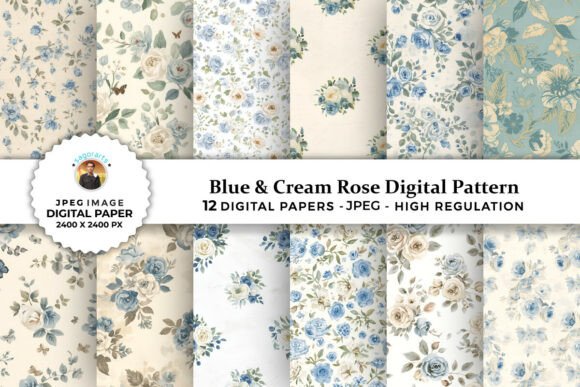
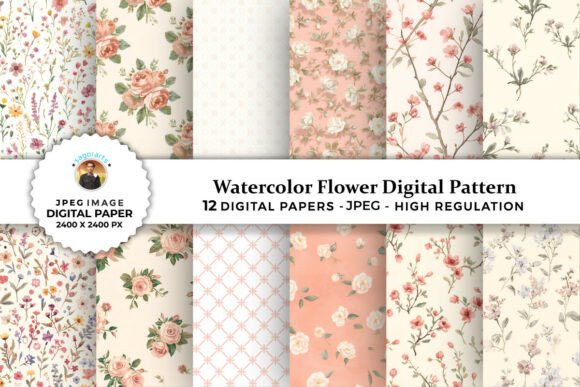
The collection described—comprising 12 distinct patterns in a single zip file—represents a practical resource for anyone looking to elevate their design process without compromising on time or consistency. Understanding how these files function within a broader project lifecycle is essential for maximizing their utility. From greeting cards to tumbler wraps, the application of these patterns requires an understanding of resolution, file compatibility, and organizational strategy.
Understanding the Asset: Resolution and Format Compatibility
Before diving into specific use cases, it is crucial to understand the technical specifications that make this asset pack effective for professional use. The files are provided as high-resolution JPEGs with dimensions of 2400 x 2400 pixels. For many creators, this square format is ideal, but understanding its limitations and strengths is key to proper implementation.
A resolution of 2400 pixels on each side offers a significant amount of detail, making these images suitable for both screen-based media and print applications up to a certain size. When planning a project, consider the final output medium. If you are designing a digital invitation, these pixels will render crisply on most devices. However, if you intend to print large-format items like banners or oversized posters, you may need to upscale the image, which can introduce artifacts. For standard craft projects such as gift wrapping, greeting cards, or sublimation onto tumblers, this resolution is typically sufficient to maintain sharpness and color fidelity.
The choice of JPEG format is also a deliberate workflow decision. Unlike PNG files, which support transparency, JPEGs have a solid background. This characteristic simplifies the layering process in software like Photoshop, Canva, or Cricut Design Space. You do not need to spend time masking out backgrounds or dealing with alpha channels. Instead, you can place the pattern directly over other elements, using blending modes to achieve depth, or crop it to fit specific dimensions immediately. This reduces friction in the editing phase, allowing for faster iteration and execution.
Integration into Business and Commercial Workflows
For entrepreneurs and small business owners, consistency in branding is vital. Watercolor Flower Digital Patterns can serve as a versatile element in brand identity systems, particularly for businesses in the lifestyle, wellness, beauty, or stationery sectors. The organic nature of watercolor art softens corporate messaging, making brands appear more approachable and human-centric.
Consider the workflow of a boutique owner launching a new product line. By utilizing these digital papers, the owner can quickly create mockups for packaging, labels, and thank-you cards. The ability to download 12 variations in one zip file allows for A/B testing of designs before committing to production. You might use a lighter floral pattern for a spring collection and a denser bloom arrangement for a holiday edition, all while maintaining a cohesive visual language through the consistent style of the watercolor technique.
When integrating these assets into commercial products, pay attention to licensing and usage rights. While the prompt indicates these are digital downloads, always verify if the license permits commercial use. Assuming it does, the next step is organization. Create a dedicated folder structure on your local drive or cloud storage labeled by theme (e.g., "Spring Florals," "Pastel Backgrounds"). This preparation step ensures that when a client request comes in, you can locate the appropriate asset in seconds rather than minutes, directly impacting your billable hours and operational efficiency.
Practical Applications in Crafting and Sublimation
Beyond traditional graphic design, these patterns are highly effective for physical craft projects, particularly those involving sublimation and vinyl cutting. Sublimation printing requires seamless tiling or full-coverage prints, and the 2400x2400 pixel dimension provides ample canvas for wrapping curved surfaces like tumblers, mugs, and phone cases.
To implement this effectively, follow a systematic approach:
- Preparation: Open the JPEG in your preferred design software. Check the aspect ratio against your blank product template. If the product is cylindrical, such as a tumbler, you may need to stretch or warp the image to fit the curvature, or tile multiple instances of the pattern to cover the surface area seamlessly.
- Color Management: Digital screens use RGB color models, while sublimation ink uses CMYK principles. Colors may shift slightly during the heat transfer process. It is advisable to run a test print on scrap material to adjust saturation and brightness before committing to the final product. This quality control step prevents waste and ensures customer satisfaction.
- Seamless Tiling: If the pattern does not tile naturally, use the offset filter in your editing software to check for visible seams. Adjusting the alignment manually can create a continuous flow of flowers across the entire surface of a gift wrap or fabric print.
This methodical process transforms a simple digital image into a tangible product. The tactile experience of holding a beautifully wrapped gift or sipping from a custom-designed cup adds value to the end user, reinforcing the brand’s attention to detail.
Enhancing Editorial and Content Creation Processes
For bloggers, educators, and content marketers, visual hierarchy is essential for retaining audience attention. Static text blocks can be overwhelming, but breaking them up with engaging visuals improves readability and engagement metrics. Watercolor Flower Digital Patterns can be used as subtle backgrounds for blog headers, social media graphics, or presentation slides.
When using these patterns in editorial contexts, less is often more. Apply a low-opacity overlay of the floral pattern behind white text boxes to add texture without compromising legibility. This technique adds a layer of sophistication to digital newsletters or online course materials. Furthermore, because the files are standardized in size, you can batch-process them to ensure uniformity across all your content assets. For instance, you can create a set of Instagram story templates where the floral pattern serves as the base layer, allowing you to swap out text and photos rapidly while maintaining a consistent aesthetic.
Scrapbooking and personal journaling also benefit from this digital-to-physical bridge. Many enthusiasts now print digital layouts at home or via photo labs. The high resolution ensures that intricate details of the watercolor brushstrokes remain visible even when printed at smaller sizes. Organizing these files by color palette or flower type allows users to quickly match their digital memories with the appropriate visual theme, streamlining the creative expression process.
Best Practices for Long-Term Asset Management
Acquiring digital assets is only the first step; managing them effectively is what sustains long-term productivity. To get the most out of your Watercolor Flower Digital Patterns, adopt a rigorous file management strategy.
First, back up your zip file immediately upon download. Store copies in multiple locations, such as an external hard drive and a cloud service like Google Drive or Dropbox. Digital assets are prone to accidental deletion or corruption, so redundancy is non-negotiable. Second, rename the individual JPEG files descriptively. Instead of keeping generic names like "image_001.jpg," rename them to something intuitive, such as "Floral_Pattern_Blue_Roses_HR.jpg." This simple habit saves countless hours when searching for a specific look months or years later.
Additionally, keep a record of the source and license terms. Create a simple spreadsheet or document that lists the asset name, source URL, purchase date, and permitted uses. This documentation protects you legally and helps you track which assets are still relevant to your current projects. As trends evolve, some patterns may become outdated, while others may see a resurgence. Having a clear inventory allows you to curate your library efficiently.
Conclusion on Workflow Integration
The true value of Watercolor Flower Digital Patterns lies not just in their aesthetic qualities, but in how seamlessly they integrate into diverse creative and commercial workflows. By understanding their technical specifications, respecting color management protocols, and maintaining organized file structures, users can leverage these assets to produce high-quality outputs consistently. Whether you are wrapping gifts, designing brand identities, or creating educational content, these digital papers offer a reliable foundation for creativity. Embracing a process-oriented approach to using these resources ensures that every project, from concept to completion, is executed with precision and professionalism.